
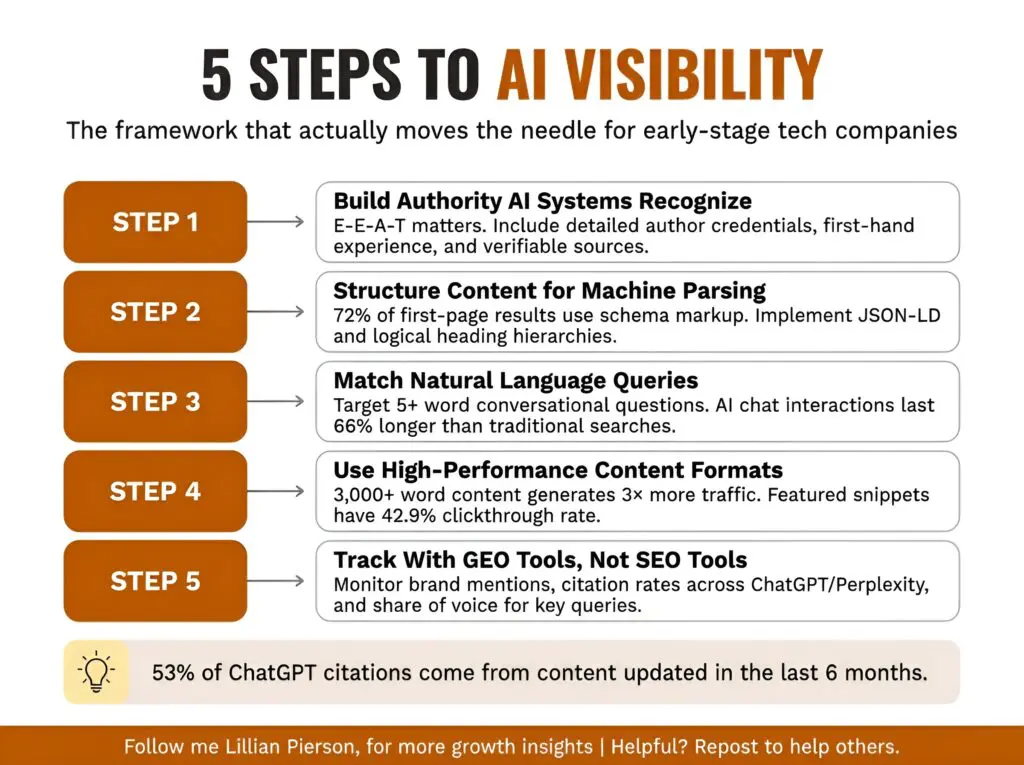
AI citation tracking is essential for measuring visibility in ChatGPT, Gemini, Perplexity, and Claude. But instead of chasing rankings, citations show you which pages are recognized as authoritative sources by generative AI systems. This guide covers 15 tools specifically built to identify which of your pages AI systems cite and how to audit competitor citations for competitive insights.
What Are AI Citations and Why They Matter
When you ask ChatGPT or Gemini a question, the model generates an answer and cites sources. A citation is a linked or explicitly named reference to your page. Citations drive referral traffic because users can click through to your site.
Unlike rankings (position #1, #5, etc.), citations measure whether AI systems trust your content enough to recommend it as a primary source.
15 AI Citation Tracking Tools
Dedicated Citation Trackers (Tier 1 — Best for Measurement)
1. Profound ($99–499/month) — Most comprehensive citation tracking with source domain analysis.
2. Peec AI ($99–199/month) — Strong Perplexity coverage and balanced features.
3. OtterlyAI ($29–99/month) — Most affordable; good for small teams.
4. Scrunch ($49–199/month) — GEO-focused; built specifically for citation tracking.
5. SellOnLLM ($49–249/month) — Built for e-commerce and product citations.
6. AI Rank Lab ($99–399/month) — Enterprise benchmarking with historical data.
WordPress Plugins with Citation Tracking (Tier 2)
7. RankReady ($29–99/month) — WordPress plugin + dashboard; tracks which AI crawlers hit your site.
Full SEO Platforms with AI Citation Modules (Tier 3 — Secondary Features)
8. Semrush AI Module ($120+/month + plan) — Integrated with SEO tools; citation gaps and source reporting.
9. Ahrefs Brand Radar ($199+/month + plan) — Brand mention tracking; limited direct AI citation data.
Content Optimization Tools (Tier 4 — Supporting Tools)
10. Surfer SEO ($99–399/month) — Identifies answer sections and content optimization for citations.
11. Clearscope ($99–299/month) — Content research and AI answer section optimization.
Technical & Schema Tools (Tier 5 — Foundation)
12. Alli AI ($29–199/month) — Technical AEO: schema markup and Core Web Vitals automation.
13. Rank Math Pro ($179/year) — WordPress schema automation; helps pages qualify for citations.
14. Yoast SEO Premium ($99–199/year) — Schema and readability; WordPress native integration.
15. WordLift ($9–15/month) — Semantic knowledge graphs; improves citation qualification.
Which Tools Measure Citations vs. Which Optimize for Citations
Measurement tools (track citations): Profound, Peec AI, OtterlyAI, Semrush, Ahrefs
Optimization tools (help you earn citations): Surfer, Clearscope, Alli AI, Rank Math, Yoast, WordLift
Best practice: Use one measurement tool + one optimization tool. Example: OtterlyAI (measurement) + Rank Math (optimization).
How to Audit Cited Pages & Third-Party Sources
Step 1: Export Your Cited Pages
From your tracking tool (Profound, Peec AI), export which of your pages receive the most citations monthly.
Step 2: Identify Patterns
- Which pages are cited most? (usually: guides, comparisons, tutorials)
- Which pages are mentioned but not cited? (missing schema markup?)
- Which topics have zero citations? (opportunity areas)
Step 3: Check Which Third-Party Sources You’re Missing
When competitors are cited, which authority domains do those pages link to? Are you citing the same sources?
Example: If competitors’ cited pages reference Forbes, Harvard Business Review, and Gartner, but your pages don’t—you have a source gap.
Step 4: Close Source Gaps
- Add citations to the same authority domains in your content
- Republish the page
- Re-track in 2–4 weeks to measure citation improvement
How to Fix a Page That’s Mentioned But Not Cited
Your brand is named in AI responses, but your pages aren’t linked. This indicates:
- Missing schema markup: Add Article schema so AI understands page structure
- Poor answer sections: Rewrite using inverted pyramid (direct answer first)
- Low authority signals: Strengthen author credentials, add publication dates, improve E-E-A-T
- Outdated content: Refresh publication date and add new data
- Missing direct answers: AI systems cite pages that directly answer common questions; vague content gets mentions but no links
How to Build Your AI Citation Monthly Dashboard
| Metric | January | February | March | Trend |
| Total Tracked Prompts | 50 | 50 | 50 | — |
| Citation Rate (%) | 3% | 3.5% | 4.2% | ↑ |
| Cited Pages | 2 | 3 | 4 | ↑ |
| Top Cited Page | /guide/ | /guide/ | /comparison/ | — |
| Share of Voice (SOV) vs Competitor 1 | 8% | 9% | 10% | ↑ |
| Content Action | Published /guide/, added schema | Updated with new data | Fixed /comparison/ answer section | — |
Common Citation Tracking Mistakes
- Changing prompts monthly: You won’t see trends if prompts change. Lock them.
- Measuring only mentions: A mention without a link is worthless. Track citations only.
- Ignoring share of voice: Flat citations might mean you’re holding steady while competitors drop. SOV reveals the real story.
- Expecting instant results: Citation improvements take 4–8 weeks after content updates.
- Using a single manual check as data: Run 20–50 consistent prompts, not just 3 random ones.
Related Resources
Compare top citation tools in detail, learn how citations work, explore all 15 tools, measure AI visibility, and build your complete toolkit.


